Workshops to prepare, empower, and reassure
Warm, evidence-based sessions, private or small-group, in person or virtual, that turn uncertainty into confidence at every stage.
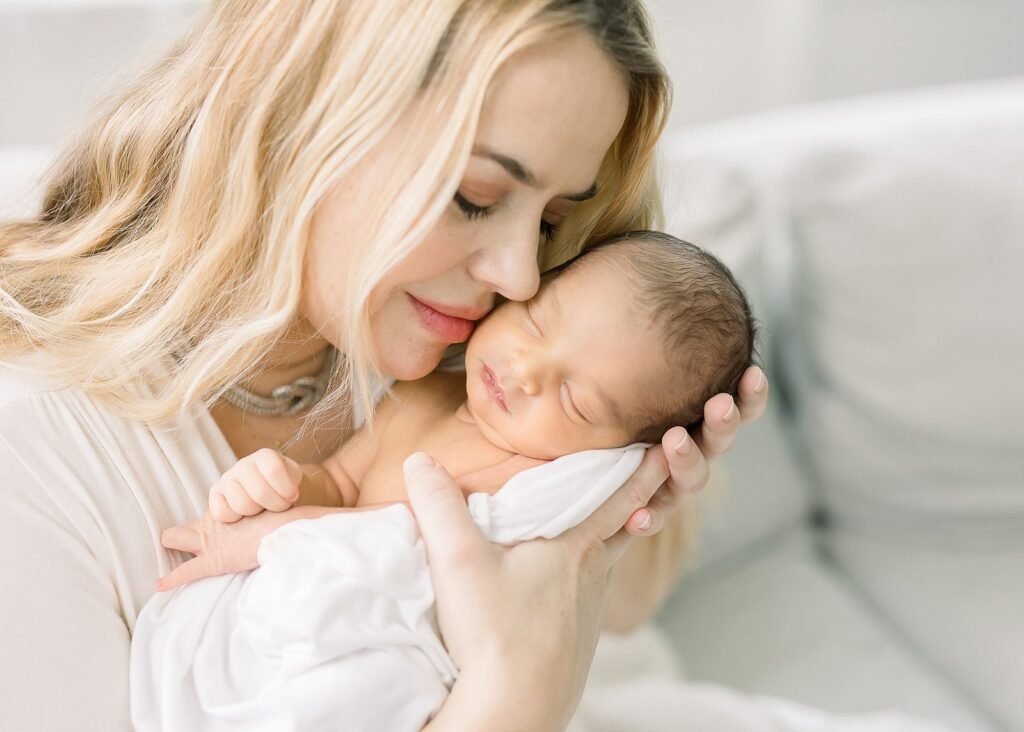 Prenatal · 60 min
Hand Expression Workshop
Empower your feeding journey from the start, simple, effective techniques before baby arrives.
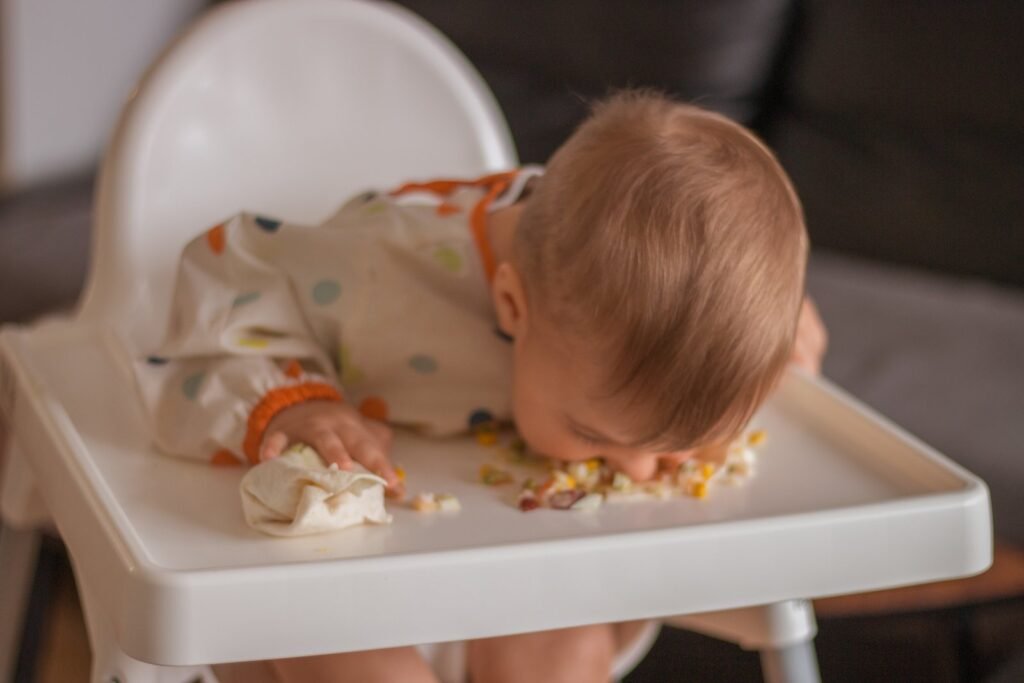 Virtual · 60 min
Introduction to Solids
Navigate your baby's transition to solid foods with clarity and confidence.
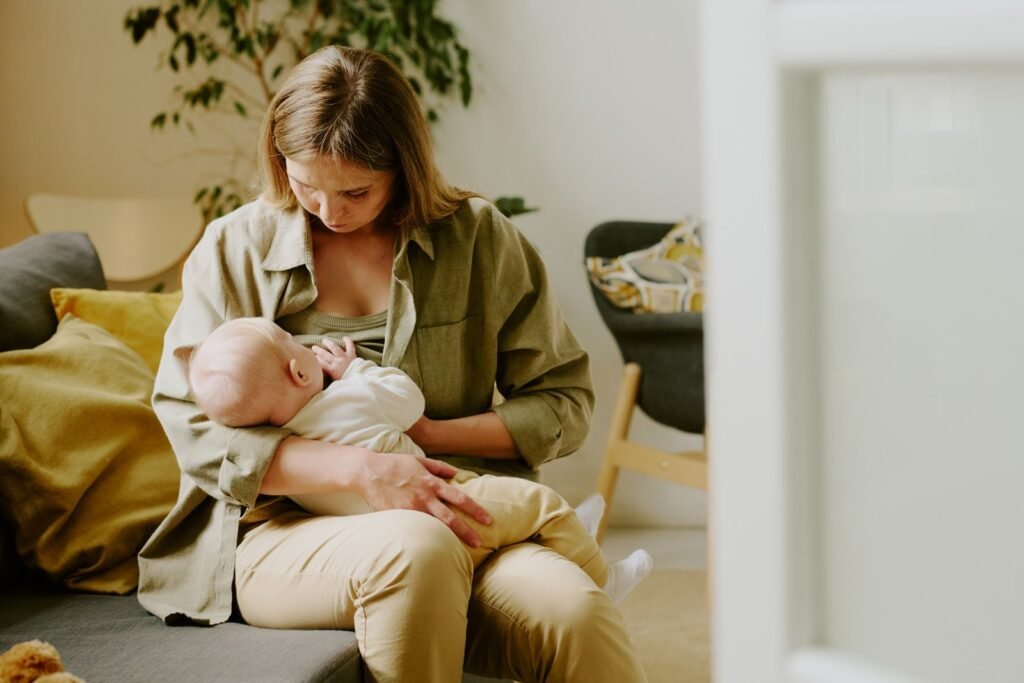 Coming soon
Mental Health & Resiliency
Strengthen your inner resources for parenthood, and beyond.
Frequently Asked Questions
Still wondering about something? Reach out any time. I'm happy to help you find the right next step.
Around 37 weeks of pregnancy is usually recommended, once you've received the go-ahead from your healthcare provider. Hand expression can cause mild uterine contractions, so this timing matters. Every pregnancy is unique, always confirm with your provider before you begin.
It's designed for parents of babies around 4–6 months, the window when many babies begin showing signs of readiness for solid foods. You'll learn how to spot true readiness, choose safe first foods and textures, and tell the difference between gagging and choking, so mealtimes start calm and confident.
Absolutely, and I encourage it. Feeding is a family effort. When your partner, spouse, or another support person joins, they learn practical ways to help, understand normal newborn behaviour, and feel more confident supporting you. A strong support network is one of the biggest predictors of feeding success.
That's completely normal, start with the contact form and tell me a little about where you are and what you're hoping for. I'll help you choose the service that fits your situation, whether that's a prenatal class, a full IBCLC consultation, a flange fitting, or ongoing support.
Have a question that isn't here? Send me a message and I'll answer personally.
Ready to reserve your spot?
Request an appointment and we'll build a calm, practical plan together, tailored to you, your baby, and your goals.